
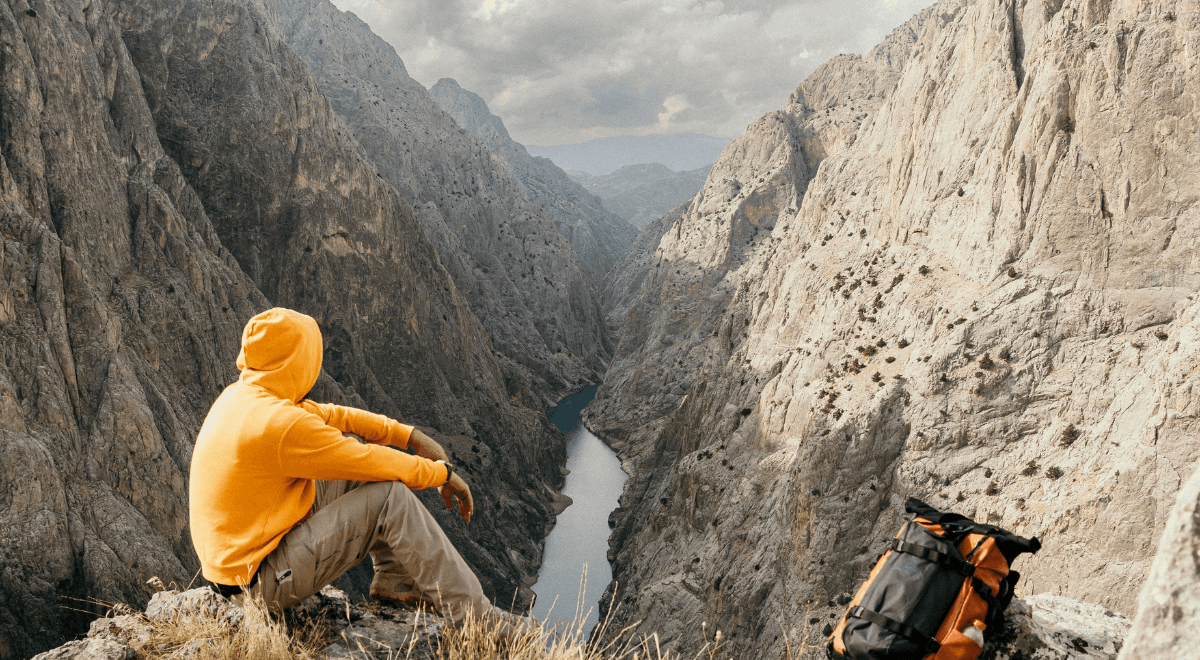
You've worked hard to build your fitness routine at home. Then travel happens — time zones shift, routines break, hotel buffets appear at every turn, and suddenly a two-week trip becomes a month-long fitness setback.
Learning how to stay fit while traveling is one of the most valuable skills any frequent traveler can develop. The good news? It doesn't require expensive hotel gyms or grueling discipline. With tools like TripZip.ai, you can plan trips around active, health-forward experiences from the start.
Why Staying Fit While Traveling Is Harder Than It Looks
Before diving into solutions, it's worth understanding why travel fitness breaks down so predictably. There are four core culprits:
- Disrupted sleep and circadian rhythms — jet lag and irregular schedules increase cortisol, suppressing motivation and increasing hunger for high-calorie foods.
- Loss of environmental cues — without your home gym, usual running route, or regular meal schedule, the behavioral anchors that support your fitness routine disappear.
- Abundant food temptation — trying local food is one of travel's greatest joys, but restaurant eating, airport food, and all-inclusive buffets make calorie tracking nearly impossible.
- Time and logistics pressure — packed itineraries, long transit days, and decision fatigue leave little mental bandwidth for fitness planning.
The solution isn't to fight these challenges — it's to build a system flexible enough to work around them. That's exactly what the 15 tips below do.
15 Practical Tips: How to Stay Fit While Traveling
01. Plan Active Experiences Into Your Itinerary
The most effective travel fitness strategy starts before you leave home. Instead of trying to squeeze in exercise alongside your trip, build activity directly into your travel plans. Book a surfing lesson in Bali, a cycling tour in Lisbon, or a hiking day in the Dolomites. Use TripZip.ai (tripzip.ai) to find and plan active travel experiences that keep you moving without feeling like exercise.
Tags: Pre-trip planning | High impact
02. Master the Hotel Room Workout
You don't need a gym when you have 200 square feet and gravity. A well-designed bodyweight circuit takes 20–30 minutes and hits every major muscle group. The key is to have a pre-set routine ready so decision fatigue doesn't derail you. See the sample workout table below for ready-to-use routines.
Tags: No equipment | 20–30 min
03. Walk Everywhere You Possibly Can
Walking is the most underrated travel fitness tool. Most urban sightseeing generates 12,000–18,000 steps per day without any dedicated exercise time. Skip the Uber for distances under 2km, explore neighborhoods on foot, climb stairs instead of taking elevators, and use walking as your default mode of city exploration. It burns calories, reduces stress, and gives you a far richer travel experience.
Tags: Zero cost | Sightseeing bonus
04. Pack a Resistance Band Kit
A set of resistance bands weighs under 300g and fits in any bag, yet enables a full-body strength workout in any location — hotel room, beach, park, or airport lounge. Bands allow you to replicate cable machine movements, add resistance to bodyweight exercises, and maintain muscle strength throughout your trip. Look for a kit with light, medium, and heavy resistance options.
Tags: Packs flat | Under $25
05. Follow the 80/20 Nutrition Rule
Trying to eat perfectly while traveling is both unrealistic and unnecessary. Instead, follow the 80/20 principle: eat nutritiously 80% of the time, and enjoy local food experiences 20% of the time without guilt. In practice, this means eating a high-protein breakfast each morning, choosing grilled or steamed options at restaurants, and saving your indulgences for meals that are genuinely worth it — not airport convenience food.
Tags: Nutrition | Sustainable
06. Prioritize High-Protein Breakfasts
Research consistently shows that a high-protein breakfast (25–35g of protein) reduces calorie intake throughout the day by 15–25%. When traveling, this is your single most powerful nutritional lever. Eggs, Greek yogurt, cottage cheese, smoked salmon, and high-protein hotel options help you stay full, reduce snacking, and maintain muscle. Visit supermarkets on arrival to stock your room with protein-rich options.
Tags: High impact | Nutrition
07. Stay Aggressively Hydrated
Dehydration is the silent saboteur of travel fitness. Air travel is particularly drying — cabin air has humidity of just 10–20%, compared to a typical indoor environment of 30–65%. Aim for at least 3 liters of water daily while traveling, more in hot climates. Dehydration mimics hunger, impairs exercise performance, worsens jet lag, and reduces cognitive function. Carry a reusable bottle and drink before every meal.
Tags: Daily habit | Jet lag fix
08. Use the 'Exercise Snacks' Approach
Can't carve out a 45-minute block for exercise? Research from McMaster University shows that three 10-minute exercise snacks per day can match the cardiovascular benefits of one continuous 30-minute session. Take a 10-minute brisk walk after each meal, do 5 minutes of bodyweight squats and push-ups before your morning shower, or do calf raises while waiting for your flight.
Tags: Science-backed | Time-flexible
09. Use Running to Explore New Places
Running is arguably the best travel fitness activity — it requires no equipment beyond shoes, can be done anywhere, and offers the bonus of discovering neighborhoods no tour bus will ever show you. Apps like Strava and City Strides help you find popular local running routes. Set an alarm for 6:30am, run for 30 minutes, and you've earned your breakfast.
Tags: Zero cost | Explore bonus
10. Manage Alcohol Strategically
Alcohol is often the biggest hidden calorie source in travel eating. A single night of moderate drinking can add 500–800 calories, disrupt sleep quality significantly, and reduce motivation for morning exercise. Set a soft limit of 2 drinks per day, choose lower-calorie options (spirits over beer, wine over cocktails), and never drink on travel days.
Tags: Smart choices | Mindset
11. Sleep Optimization is Non-Negotiable
Sleep is the foundation that every other fitness strategy rests on. Poor sleep increases ghrelin (hunger hormone) by 24% and reduces leptin (fullness hormone) by 18%, making overeating almost inevitable. Protect your sleep aggressively while traveling: use a sleep mask and earplugs on overnight flights, arrive a day early before important events to adjust, and get morning sunlight immediately to reset your circadian clock.
Tags: Foundational | Recovery
12. Rent Bikes or Scooters to Get Around
In many travel destinations, cycling is both the most practical and the most fitness-friendly way to get around. Renting a bike for city exploration can add 60–90 minutes of moderate-intensity cardio to your day — essentially a full workout — while simultaneously covering tourist ground. Cities with excellent cycling infrastructure include Amsterdam, Copenhagen, and Chiang Mai. Use TripZip.ai (tripzip.ai) to find cycling-friendly destinations and routes.
Tags: Cardio built-in | Explore bonus
13. Use Hotel Pools and Beaches Productively
Hotel pools and ocean swimming are significantly better exercise than they look. Swimming burns 400–700 calories per hour at moderate intensity and provides full-body resistance training with zero impact on joints. Do 20 laps of the hotel pool every morning before breakfast. Treat beach time as an opportunity for activity — volleyball, paddleboarding, kayaking, or simply swimming in the open sea.
Tags: High calorie burn | Low impact
14. Download Fitness Apps Before You Go
The right fitness apps eliminate the need for a personal trainer, a gym, or even significant planning time. Load your phone with Nike Training Club (free, 200+ guided workouts), Down Dog Yoga (adaptive yoga sessions), 7 Minute Workout (zero equipment HIIT), and MyFitnessPal (food logging). Download workouts while on WiFi so they work offline in destinations with poor connectivity.
Tags: Free options | Tech-enabled
15. Shift Your Mindset: Maintenance Over Gains
While traveling, your goal is to maintain, not to improve. This mental shift is liberating. You don't need to hit PRs, follow your exact program, or maintain a caloric deficit. You simply need to stay active, eat reasonably well, and not lose ground. Removing the pressure of optimization makes travel fitness far more sustainable — and often, more enjoyable. Come home in the same shape you left in, and that's a win.
Tags: Mindset shift | Game changer
Quick Reference: Travel Fitness by Situation
Sample Hotel Room Workout (30 Minutes, No Equipment)
This bodyweight circuit can be done in any hotel room. No gym, no equipment, no excuses:
Travel Nutrition: Eating Healthy Without Missing Out
Nutrition while traveling is a balancing act between enjoying local cuisine (a major part of why we travel) and not completely derailing your diet. Here's a practical framework:
The Pre-Arrival Grocery Run
Within 2 hours of checking in anywhere, visit a local supermarket. Stock your room with Greek yogurt, protein bars, nuts, fruit, and a reusable water bottle. Having these available prevents the 10pm vending machine raid and gives you breakfast and snack options that keep calories controlled.
Restaurant Strategy
- Protein first: Scan the menu for high-protein options (fish, chicken, legumes) and build the meal around them.
- Vegetable as a side default: Always order a vegetable side, even if it's not listed — most restaurants will accommodate.
- Skip the bread basket: Ask the server to hold the bread. Mindless pre-meal eating adds 200–400 calories before your food arrives.
- Share desserts: The first three bites deliver 90% of the pleasure. Split desserts with your travel companion.
- Drink water before you eat: 500ml of water before a meal reduces calorie intake by approximately 13% (Virginia Tech study, 2010).
Airport and Transit Eating
Airports are a nutritional minefield. Develop a personal rule: eat before you arrive, buy only one item if hungry, and avoid fast food chains entirely. Most international airports now have sit-down restaurants with reasonable healthy options. Eating before a long flight and fasting during it (except water) is a strategy used by many experienced long-haul travelers.
"You don't need to eat perfectly while traveling — you need to eat thoughtfully. The goal is to enjoy every extraordinary meal and make smart, automatic choices for everything in between."
The Ultimate Travel Fitness Packing List
Packing right removes the barriers between you and exercise while traveling. Here's what experienced travel-fitness practitioners actually pack:
- Resistance bands (set of 3) — Light, medium, heavy. Under 300g total. Full-body strength training anywhere.
- Packable running shoes — Many brands now make foldable or ultralight running shoes that pack flat (Merrell Vapor Glove, Nike Free).
- Fitness apps downloaded offline — Nike Training Club, 7 Minute Workout, Down Dog. No internet required.
- Protein bars (5–7 per trip) — For long transit days, early mornings, or when restaurant options are poor.
- Reusable water bottle (1L) — Filtration models (LifeStraw, GRAYL) are invaluable in destinations with unreliable tap water.
- Jump rope — 200g, packs in any bag, burns 600–800 cal/hour. The most underrated travel fitness tool.
- Sleep mask + earplugs — Sleep quality directly determines your motivation to exercise the next day.
- Compact foam roller or massage ball — Relieves jet lag muscle tension and keeps your body functional during long travel days.
Frequently Asked Questions
Q: How do I stay fit while traveling without a gym?
A: You can stay fit without a gym by using bodyweight exercises in your hotel room (push-ups, squats, lunges, planks), resistance bands, walking everywhere, running to explore new destinations, swimming in hotel pools or the ocean, and choosing active travel experiences like hiking or cycling. A consistent 20–30 minute bodyweight routine each morning is enough to maintain your fitness level through even extended trips.
Q: What is the best exercise to do while traveling?
A: The best exercise while traveling is walking — it's free, requires no equipment, can be done anywhere, and sightseeing naturally generates 10,000–18,000 steps per day. After walking, bodyweight circuits (combining push-ups, squats, lunges, dips, and planks) and running are the most practical and effective options. For strength maintenance, resistance bands are the most travel-friendly equipment available.
Q: How do I avoid gaining weight while on vacation?
A: To avoid gaining weight on vacation: eat a high-protein breakfast daily (reduces total calorie intake by 15–25%), walk instead of taking taxis for short distances, do a 20-minute bodyweight workout each morning, limit alcohol to 2 drinks per day, stay hydrated with 3+ liters of water daily, and follow the 80/20 rule — eat healthily 80% of the time and indulge 20% of the time without guilt.
Q: How long does it take to lose fitness while traveling?
A: Cardiovascular fitness begins to decline after 10–14 days without exercise, while strength can be maintained for 2–4 weeks with minimal stimulus (even 1 workout per week). On a typical 1–2 week vacation, you will not lose meaningful fitness if you stay even moderately active. The goal during travel should be maintenance, not improvement — achievable with just 20 minutes of daily activity.
Q: What should I eat to stay healthy while traveling?
A: Prioritize protein at every meal (eggs, fish, meat, legumes), buy fruit and nuts from local markets for snacking, drink water before every meal to reduce overeating, skip the bread basket at restaurants, choose grilled or steamed preparations over fried, and allow yourself to enjoy local specialties without guilt (aim for the 80/20 rule). Avoid airport fast food by eating before you travel and stocking your hotel room with healthy snacks from a local supermarket upon arrival.
Q: How do I deal with jet lag and still exercise?
A: To manage jet lag and maintain exercise: get morning sunlight immediately upon arrival (resets your circadian clock), do a light 15–20 minute workout on your first day rather than rest (helps reset your body clock), avoid napping for more than 20 minutes in the afternoon, stay well-hydrated, and avoid alcohol on flight and travel days. Exercise is actually one of the most effective tools for resetting circadian rhythms after crossing time zones.
Q: What fitness equipment should I pack for travel?
A: The most effective travel fitness kit includes: resistance bands (a set of 3 in light/medium/heavy — under 300g total), a jump rope (200g, burns 600–800 cal/hour), protein bars for nutrition emergencies, a reusable water bottle, and packable running shoes. Optionally, a small massage ball for muscle recovery. This entire kit weighs under 1kg and gives you the tools for a complete strength and cardio workout anywhere in the world.
Final Thoughts: Making Travel Fitness a Lifestyle
The travelers who successfully stay fit while traveling long-term are not the ones with the most discipline — they're the ones who've built the smartest systems. They've chosen hotels near parks, booked cycling tours instead of bus tours, discovered morning runs as the best way to explore a new city, and learned that a 20-minute bodyweight routine is better than no routine at all.
Start with two or three of these 15 tips on your next trip. Add more on the trip after that. Within a few journeys, you'll have built a personal travel fitness system that feels natural — and you'll come home feeling as good as when you left.
And when planning your next adventure, let TripZip.ai help you design an itinerary that builds activity in from the start — because the best workout is the one you're excited to do.